Skool vs. School: perché imparare l’inglese con Skool non ha nulla a che vedere con le lezioni della tua infanzia

Aggiornato: 9 giugno
Se ti chiedessi di chiudere gli occhi e immaginare di “imparare l’inglese”, quale sarebbe la prima immagine che ti verrebbe in mente? Per molti dei nostri clienti, la parola “scuola” evoca immagini ben precise. Probabilmente immagini un’aula tradizionale, pesanti libri di grammatica, liste infinite di verbi irregolari da memorizzare e quella terribile pressione di essere giudicato se commetti un errore davanti a trenta persone.
La verità è questa: la fluidità non si ottiene con esercizi ripetitivi e rigidi, e la sicurezza in se stessi non cresce certo quando si è stressati.
Quando ho fondato Skool Cornwall, volevo stravolgere completamente il modello tradizionale di classe. In effetti, il modo in cui scriviamo il nostro nome è un accenno giocoso alla nostra intera filosofia. “Skool” è il modo in cui la parola suona effettivamente si pronuncia quando la si pronuncia. In inglese, la parola scritta raramente rispecchia il suo vero suono, il che può essere incredibilmente frustrante. Così, abbiamo deciso di infrangere le regole proprio nel nostro logo. Siamo qui per aiutarti a liberarti delle rigide restrizioni nella tua mente e a trovare finalmente la tua voce.
Imparare l'inglese nella nostra aula affacciata sulle scogliere

Se sei mai stato in una tipica scuola di lingue in città, capirai subito che noi siamo un po’ diversi. Non ci troverai in un grigio blocco di cemento; al contrario, siamo arroccati in alto sulle scogliere dell’Atlantico, proprio qui a St. Agnes.
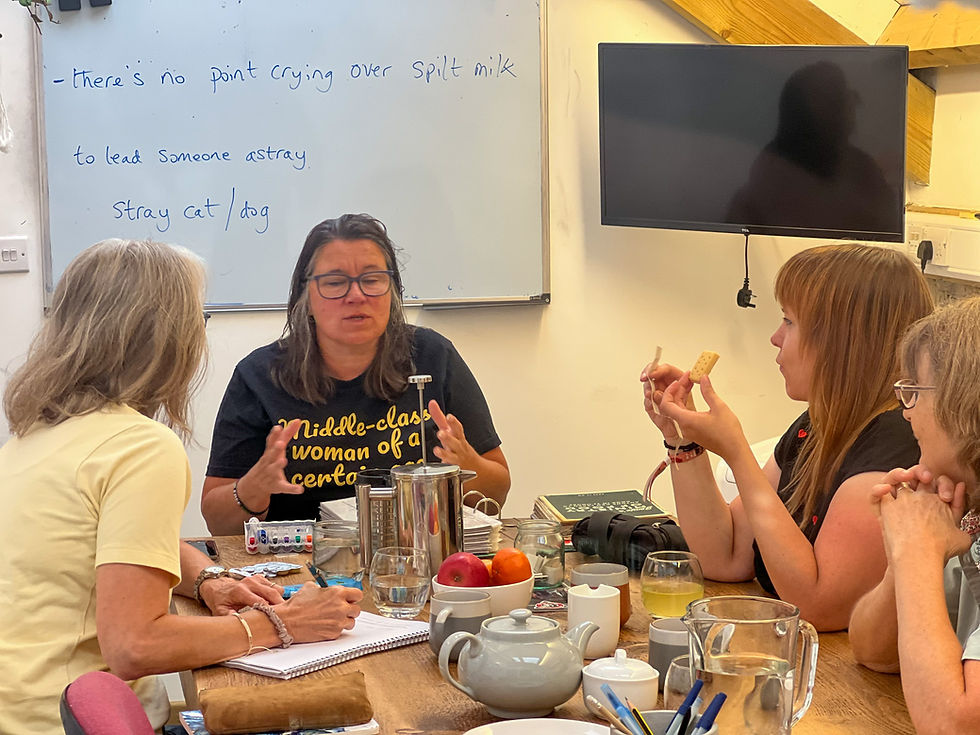
Ho voluto volutamente mantenere un approccio su piccola scala, in stile boutique e riservato esclusivamente agli adulti. Per me, la qualità conta sempre più della quantità. Limitiamo il numero di partecipanti a ogni corso a un massimo di sole sei persone. Questo numero ridotto cambia tutto: crea un’atmosfera calda e accogliente in cui tutti si sentono completamente seguiti, al sicuro e rispettati.
La nostra filosofia è sempre stata quella secondo cui imparare l'inglese con Skool non dovrebbe essere un compito ingrato da sopportare, ma un'esperienza di vita indimenticabile. La nostra vera arma segreta è il nostro team, un gruppo di insegnanti incredibilmente esperti, molti dei quali vantano oltre 20 anni di esperienza e hanno insegnato in tutto il mondo, da Pechino all’Africa. Poiché abbiamo effettivamente vissuto e lavorato in contesti culturali diversi, comprendiamo davvero cosa si prova ad affrontare una nuova lingua e sappiamo esattamente come guidarti senza mai metterti in difficoltà
Superare il "blocco lessicale"
La maggior parte degli adulti che arrivano qui ha in realtà delle basi fantastiche, anche se magari non se ne rendono ancora conto. La loro grammatica è spesso ottima e hanno un’ottima comprensione passiva della lingua. Ma quando arriva il momento di parlare, può sembrare che un improvviso blocco mentale si frapponga tra loro e le parole. Spesso lo vedo negli occhi dei nostri clienti: quello sguardo di chi sta cercando attivamente nella propria mente la parola giusta, ma che proprio non riesce a far uscire dalla bocca.
Quel “blocco lessicale” non è sinonimo di mancanza di intelligenza. È semplicemente dovuto alla pressione e, molto spesso, al fatto che i nostri studenti non sono abituati a parlare la lingua da molto tempo. Il sistema scolastico tradizionale ci ha insegnato ad avere paura di commettere errori. A Skool, la mia regola d’oro è semplice: sii gentile con te stesso. Non essere troppo critico. Qui, infatti, festeggiamo gli errori, perché sono l’unico modo per imparare!

Qui a Skool non seguiamo un programma rigido. Quel tipo di scuola di inglese incentrata su argomenti come "Qual è il tuo animale domestico preferito?" non ti porta molto lontano una volta diventato adulto. Man mano che cresciamo, vogliamo parlare di cose diverse e più profonde. Ecco perché utilizziamo materiali reali e coinvolgenti che rispecchiano le personalità delle sei persone presenti in aula. In un giorno qualsiasi, potremmo immergerci nell’inglese attraverso la filosofia, la letteratura contemporanea, i racconti brevi, i video, la poesia o i giochi linguistici.
Vogliamo sapere cosa ne pensate tu pensi, provi e credi davvero. Quando ti ritrovi coinvolto in un dibattito davvero interessante su argomenti della vita reale, ti dimentichi di essere nervoso. Il linguaggio prende vita e quel blocco mentale svanisce. Quando arriva il pomeriggio, quella ritrovata sicurezza si riflette direttamente nelle nostre attività, che si tratti di fare escursioni lungo i sentieri costieri, di uscire in mare o di esplorare e discutere dell’arte locale.
Mantenere vivo l'entusiasmo per la lingua quando si parte
La vera prova è ciò che succede quando fai le valigie e torni a casa, alla tua routine quotidiana. Per evitare che l’inglese che hai imparato con tanta fatica vada perso, ecco il consiglio che do sempre ai nostri studenti:
Prima ascolta, poi parla: Quando torni a casa, non essere troppo duro con te stesso se la parola giusta non ti viene in mente all’istante. Ricorda che impariamo le lingue proprio come fanno i bambini. Dobbiamo ascoltarle molte volte prima di poterle parlare con fluidità.
Lascia che le tue orecchie si immergano ogni giorno nell’inglese: Continua ad alimentare il tuo cervello con suoni autentici dell'inglese. Ascolta podcast britannici, sintonizzati su una stazione radio inglese o trova un podcast che ti piace per passare il tempo mentre vai al lavoro o cucini.
Tienilo attivo: Leggere romanzi o articoli di cronaca in inglese è un ottimo modo per mantenere aggiornato il tuo vocabolario.
Ma soprattutto, ricorda che niente è meglio di una vera conversazione dal vivo. Parla il più possibile. Se ti capita di sentire la mancanza della lingua, del caffè e delle scogliere, sei sempre il benvenuto qui da noi. Le nostre porte sono sempre aperte e saremo felici di aiutarti a continuare a fare pratica.
Se sei pronto a vivere l'inglese in modo diverso, vieni a scoprire cosa facciamo su www.skoolcornwall.com. Saremo lieti di darti il benvenuto sulle scogliere.